Training Designed for Every Agency Size
Of the roughly 17,500 law enforcement agencies in the U.S., nearly half operate with fewer than ten sworn officers. Small departments often lack the personnel to staff dedicated units (like Vehicle Crimes), but the struggle to fund specialized training is universal.
From small-town precincts to massive federal departments, budgets are overwhelmingly tied up in high-risk, liability-centered requirements. Sending officers away for specialized investigative training is a luxury most simply cannot afford.
The Solution: That’s where Signal 10 Consulting comes in. Instead of sending your officers away, we bring elite training directly to you, no matter the size of your agency.
Course Catalog
Passenger Vehicle Identification & Investigation
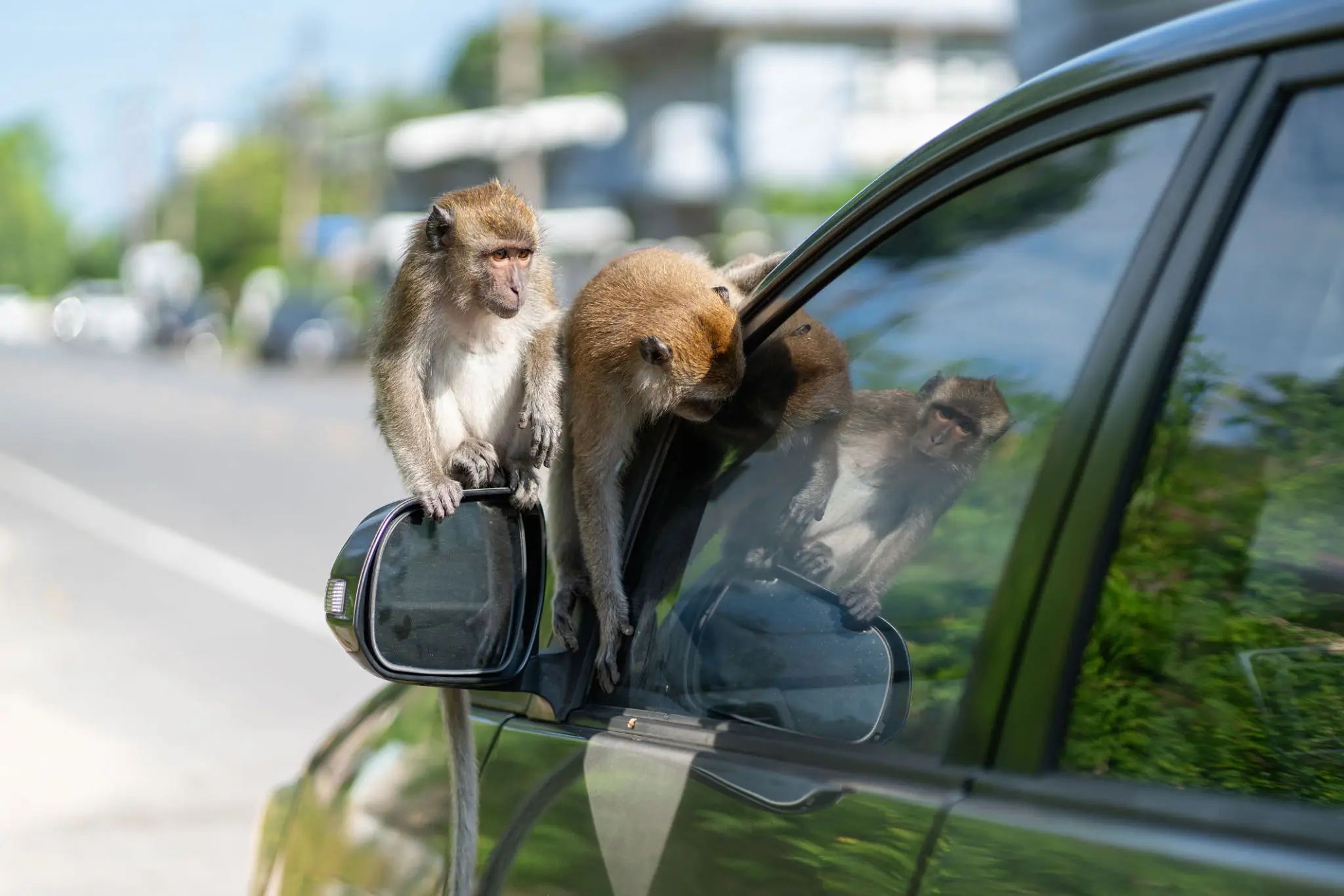
“It’s So Easy a Monkey Could Do It!”
A property crimes supervisor once dismissed our auto theft unit's vehicle inspections with a simple phrase: "It’s so easy a monkey could do it!"
Establishing a vehicle's true identity requires far more than running the public VIN and checking for a registration match. For example, the absolute last place a verification should be performed is on the roadside, yet it happens every day.
Mastering vehicle identification means going beyond the basics. This course trains investigators to master the how, when, where, and why, ensuring safe, accurate, and legally sound verifications every time.
Commercial Motor Vehicle Identification & Investigation
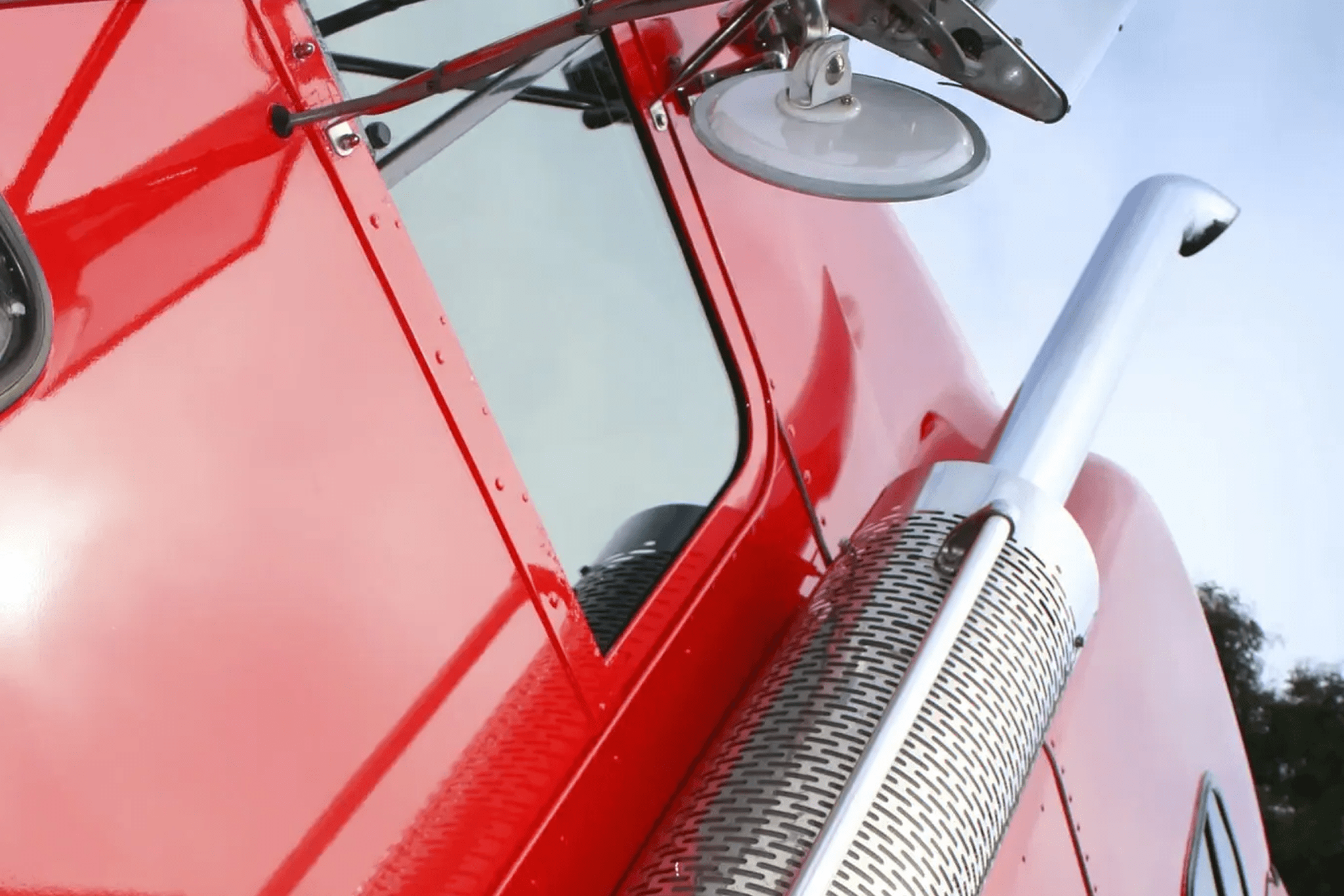
“Don't Lean Against the Shiny Silver Thing!”
During an interdiction operation, one detective was overheard warning another: "Don't lean against the shiny silver thing by the door, I burnt the crap out of my arm."
While it makes for a great story, it highlights a serious reality: many law enforcement officers have incredibly limited knowledge of commercial motor vehicles (CMVs). From understanding how these massive machines physically operate to navigating the complex web of regulations governing the transportation industry, there is a distinct knowledge gap. This course bridges that gap, giving investigators the foundational knowledge and confidence needed to safely and effectively investigate commercial vehicles.
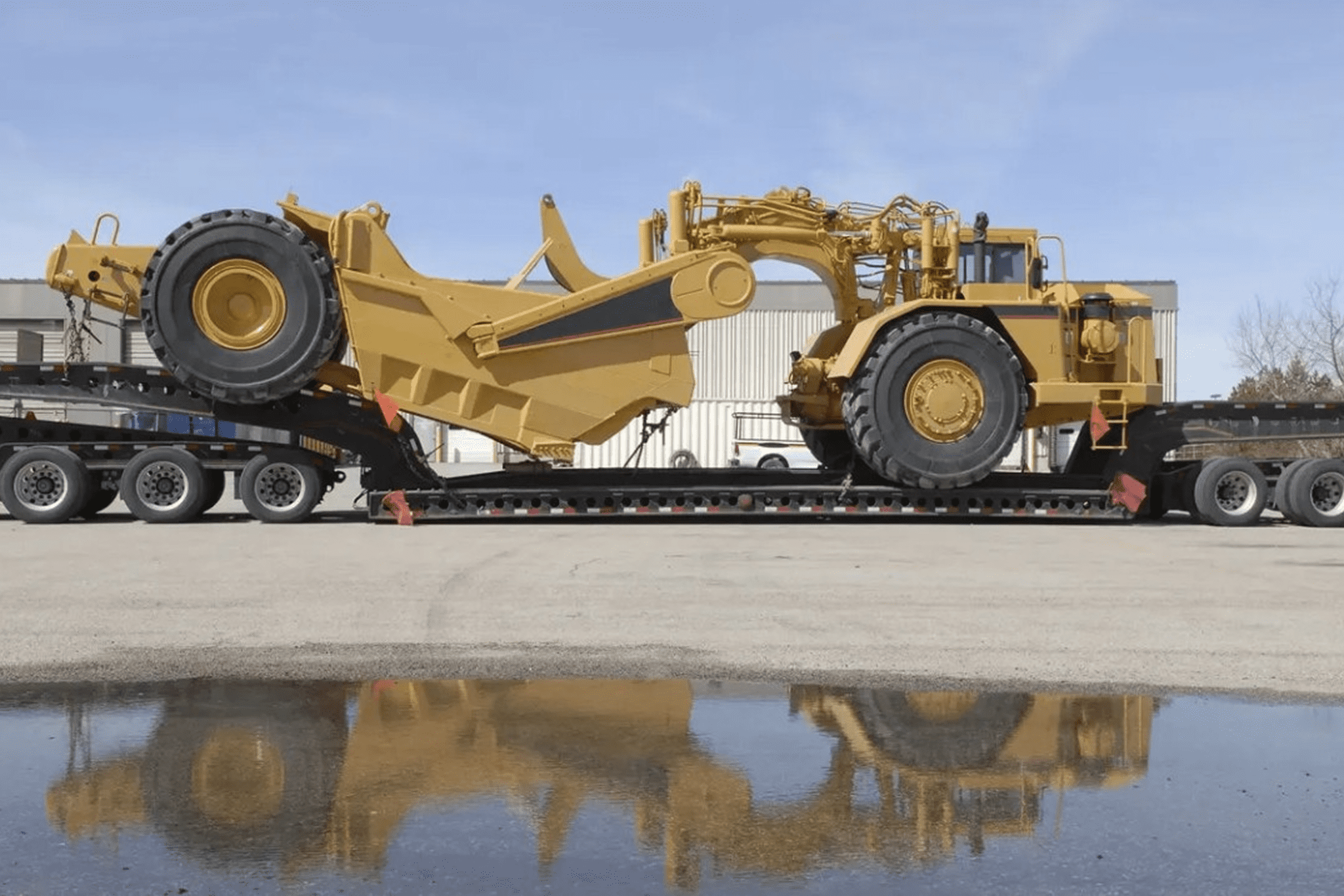
Construction & Farm Equipment Identification & Investigation
“It's Big...and It's Yellow.”
When asked by dispatch to describe a massive piece of abandoned machinery—a scraper—a patrol officer keyed the mic and simply replied: "Uh, it’s big... and it’s yellow."
While that radio traffic is good for a laugh, that exchange exposes a very real hurdle for law enforcement. Most officers are fluent in the language of passenger cars, but construction and agricultural equipment is an entirely different dialect.
This course teaches you how to speak that language, providing the specialized knowledge needed to accurately identify, describe, and investigate heavy machinery thefts.
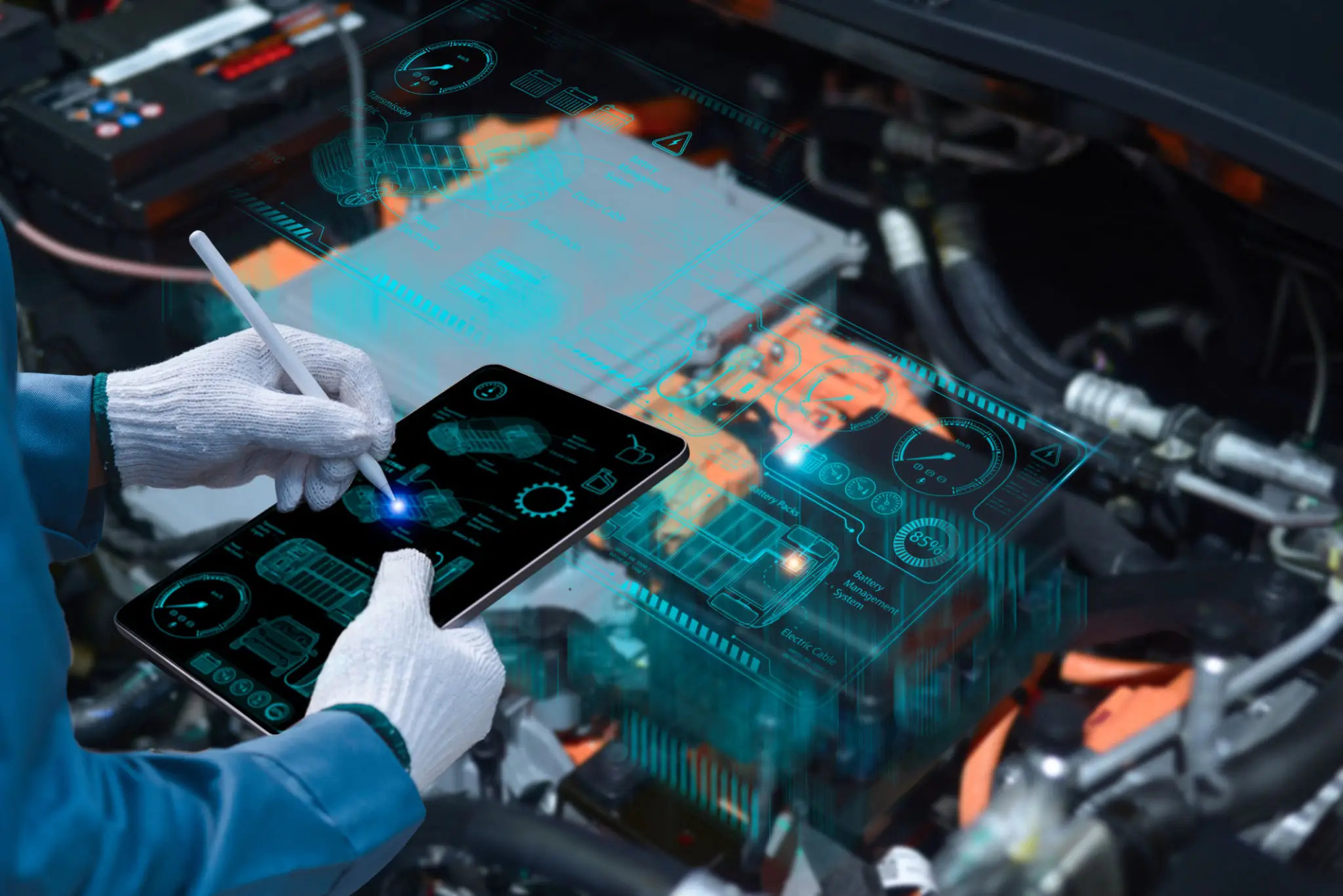
Leveraging Vehicle Technology
Thieves Have Gone High-Tech
The social media theft challenge of 2020 awakened everyone to the reality of vehicle theft; however, it was just a basic exploit targeting a small segment of vehicles without electronic anti-theft measures. The real threat is far more advanced, widespread, and currently sweeping across the United States.
Today, criminals are weaponizing modern technology, using aftermarket tools designed for vehicle repair to easily bypass complex, immobilizer-equipped systems. This evolution in tactics poses the greatest risk to automotive security since the early 1990s.
This course demystifies how these thefts occur and teaches you how to turn the tables. Investigators will learn how to weaponize the thieves' own diagnostic tools against them, utilizing cutting-edge strategies and investigative resources to track, identify, and recover stolen assets.
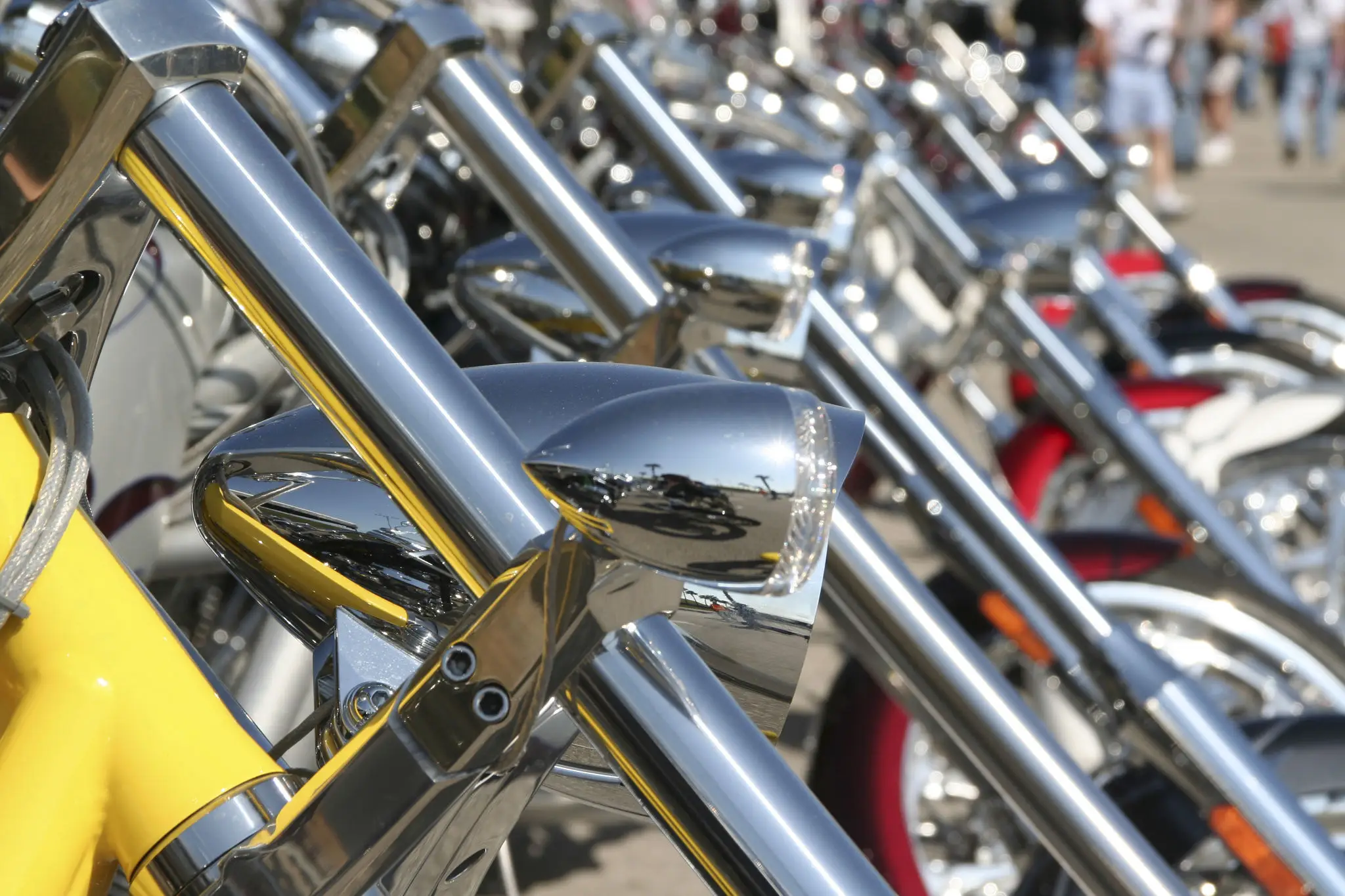
Chop Shop Investigations
"This is a Chopper Shop, not a Chop Shop. Leave a message."
That was the actual voicemail of a custom motorcycle shop owner following a raid at his business, several recoveries, and charges of operating a chop shop.
Despite this comedic denial, chop shops are the true economic engines driving organized auto theft rings. They operate in plain sight, hiding everywhere from residential two-car garages to fully functional, legitimate-looking commercial businesses.
Because these operations feed a lucrative, high-speed black market for stolen parts, they can be incredibly difficult to investigate without the right approach. This course provides investigators with a blueprint to take them down. You will learn how to spot the red flags of an illicit operation, execute effective search warrants, and build the airtight cases needed to dismantle these organized networks for good.
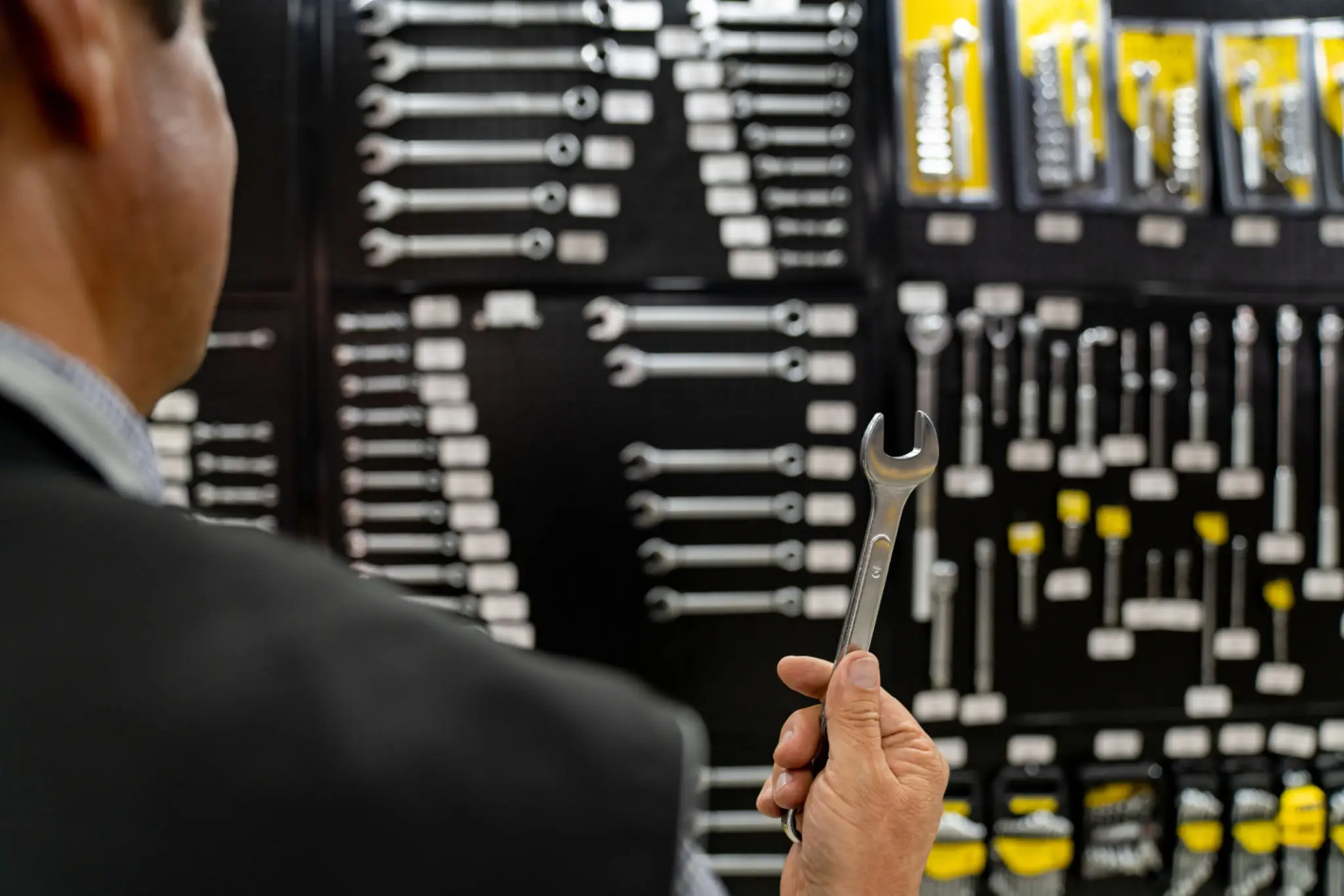
Investigative Tools
"Whatever the agency gives me is what I use."
Resourcefulness is a staple of police work but relying solely on what's in the trunk of a standard patrol car can compromise evidence, delay investigations, and jeopardize your safety.
It’s easy for administrators to view specialized equipment as an "unnecessary expense," but in vehicle investigations, this gear has a vital life-safety component. From safety glasses and heavy-duty jack stands to ensuring true interoperability within your unit, the right tools keep you alive and efficient.
We learned the hard way what it takes and what works best. This course strips out the guesswork, showing you exactly how to build a safe, practical, and fully equipped investigative toolkit.
Cargo Theft Investigations
“If It's at Rest, It's at Risk.”
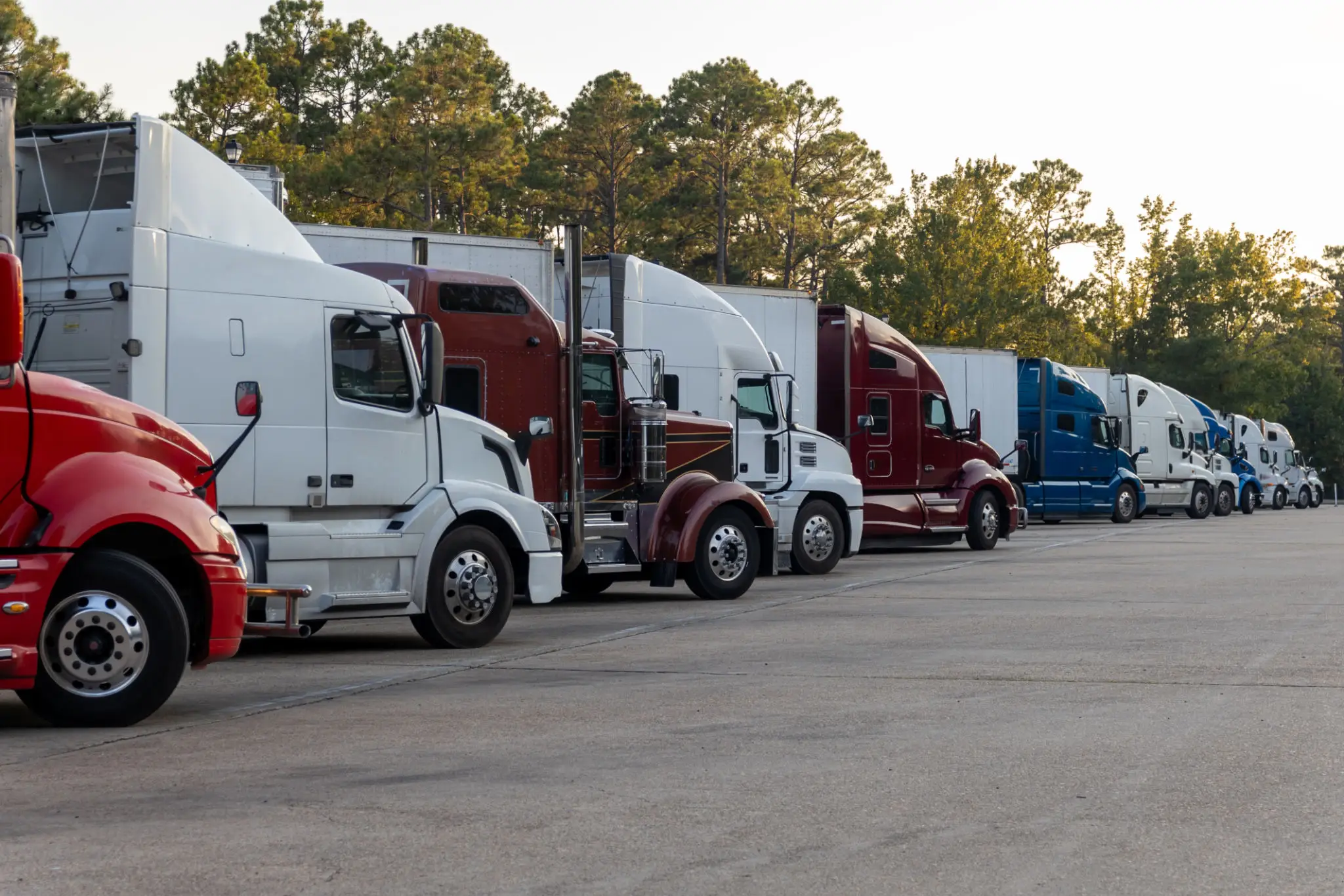
As part of a statewide cargo theft task force, we lived by a single rule: "If It's at Rest, It's at Risk." Too many agencies handle cargo theft as a simple vehicle theft, unaware that the most valuable item isn't the semi-tractor and trailer, but rather what it's hauling. In reality, these are often highly sophisticated criminal enterprises. Today’s cargo thieves utilize reconnaissance, counter-surveillance, advanced technology, and even social engineering to bypass security and vanish with entire shipments before a theft report is even filed.
We’ll teach you how to look past the stolen truck and trailer, identify the tactics these organized crews use, and effectively investigate these complex thefts, from understanding the logistics industry to recovering the stolen freight.
Vehicle Arson Investigations
The Sunburnt Victim
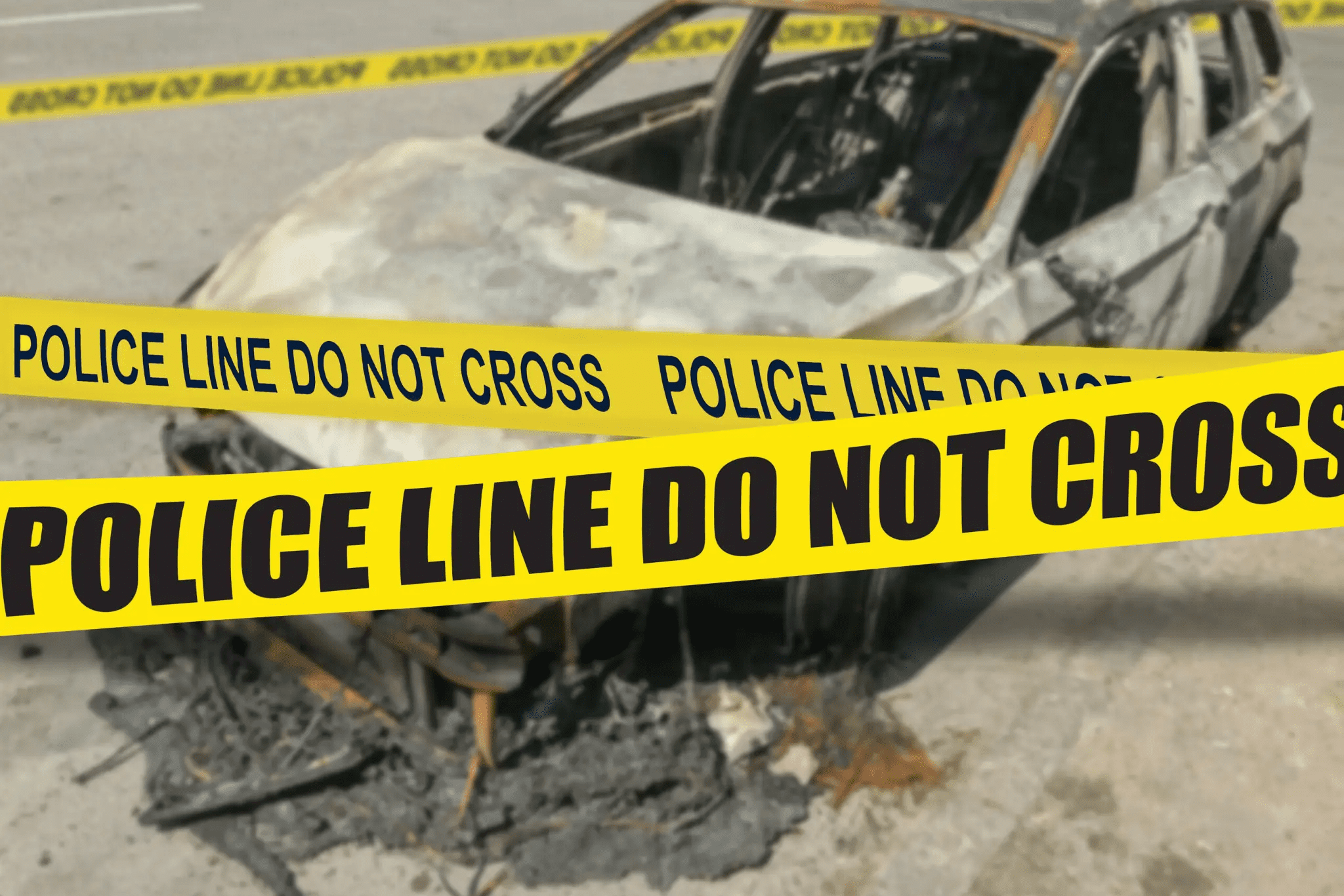
Following the recovery of a burned, but not yet reported stolen vehicle, we interviewed the owner at his home. The victim, whose face was scorched, claimed: "My face is sunburnt, and I accidentally shaved my eyebrows off."
It was tough not to burst out laughing at such a ridiculous statement, but it perfectly highlights a critical investigative intersection: the owner give-up. This course isn’t designed to certify you in fire science or turn you into an arson expert. Instead, the focus here is building a crucial bridge between vehicle crime investigators and fire investigators. Whether those fire investigators are sworn or unsworn, our disciplines share a natural synergy. We will show you how to combine your vehicle and interview expertise with their fire knowledge to expose insurance fraud and achieve far greater investigative results.
Creating Vehicle Crime Units
The Double-Edged Sword
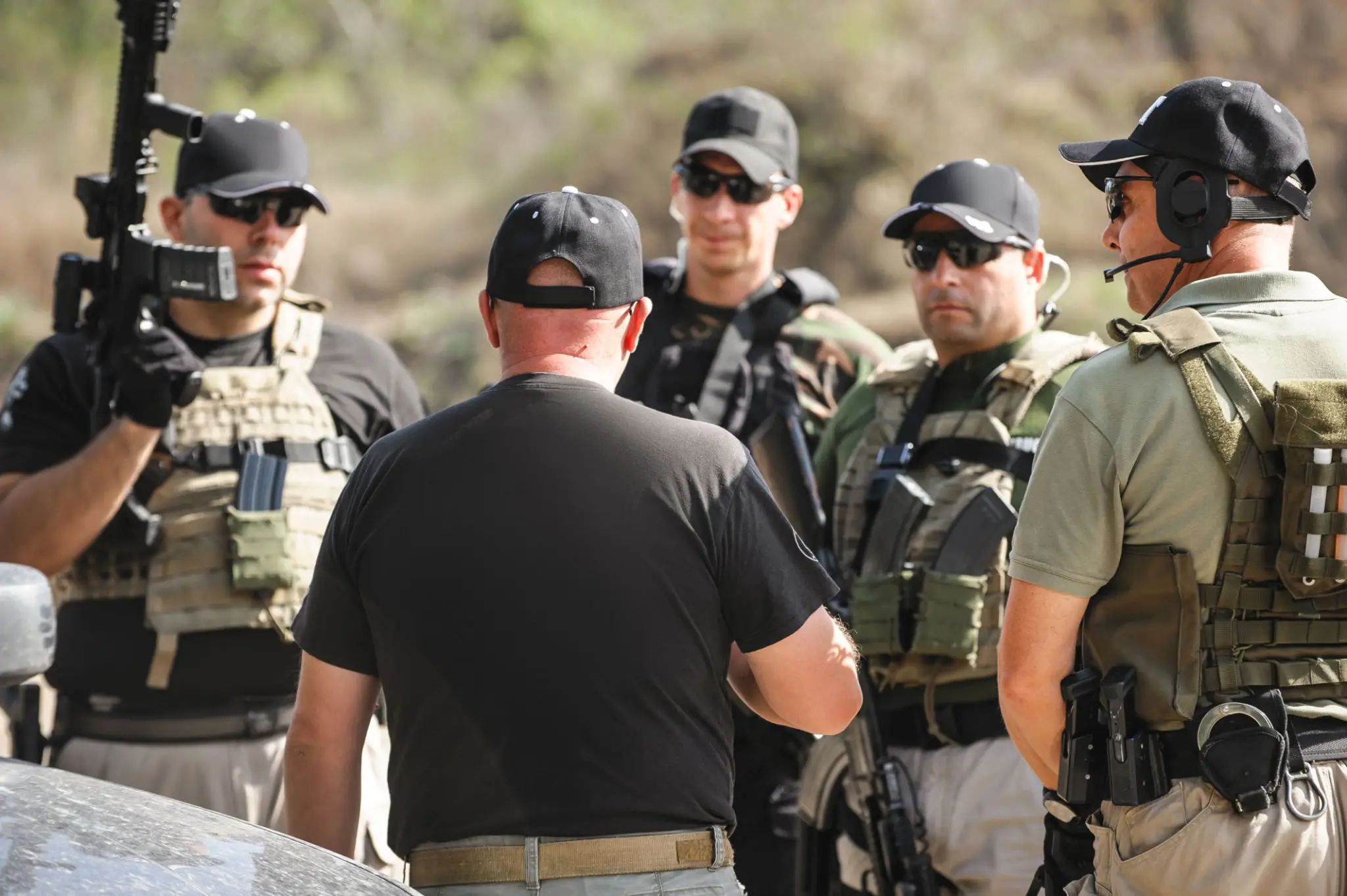
In specialized policing, success can be a double-edged sword. When a dedicated vehicle crime unit is highly effective, it recovers property, incarcerates offenders, and drives down theft rates. Unfortunately, that very success can become a vulnerability.
When vehicle crime drops—and other crime categories inevitably rise—administrations often look to reallocate those "successful" resources elsewhere. This creates a frustrating paradox: a unit’s efficiency is used to justify dismantling it, risking an immediate rebound in theft and a permanent loss of institutional knowledge. You cannot simply reconstitute a specialized unit overnight and expect immediate results. Drawing on thirty years of experience, we will discuss how to navigate these administrative pitfalls and share proven strategies to keep your unit funded, respected, and operational well into the future.